
Understanding the Process of Professional Roof Replacement with a Step-by-Step Guide
May 12, 2026
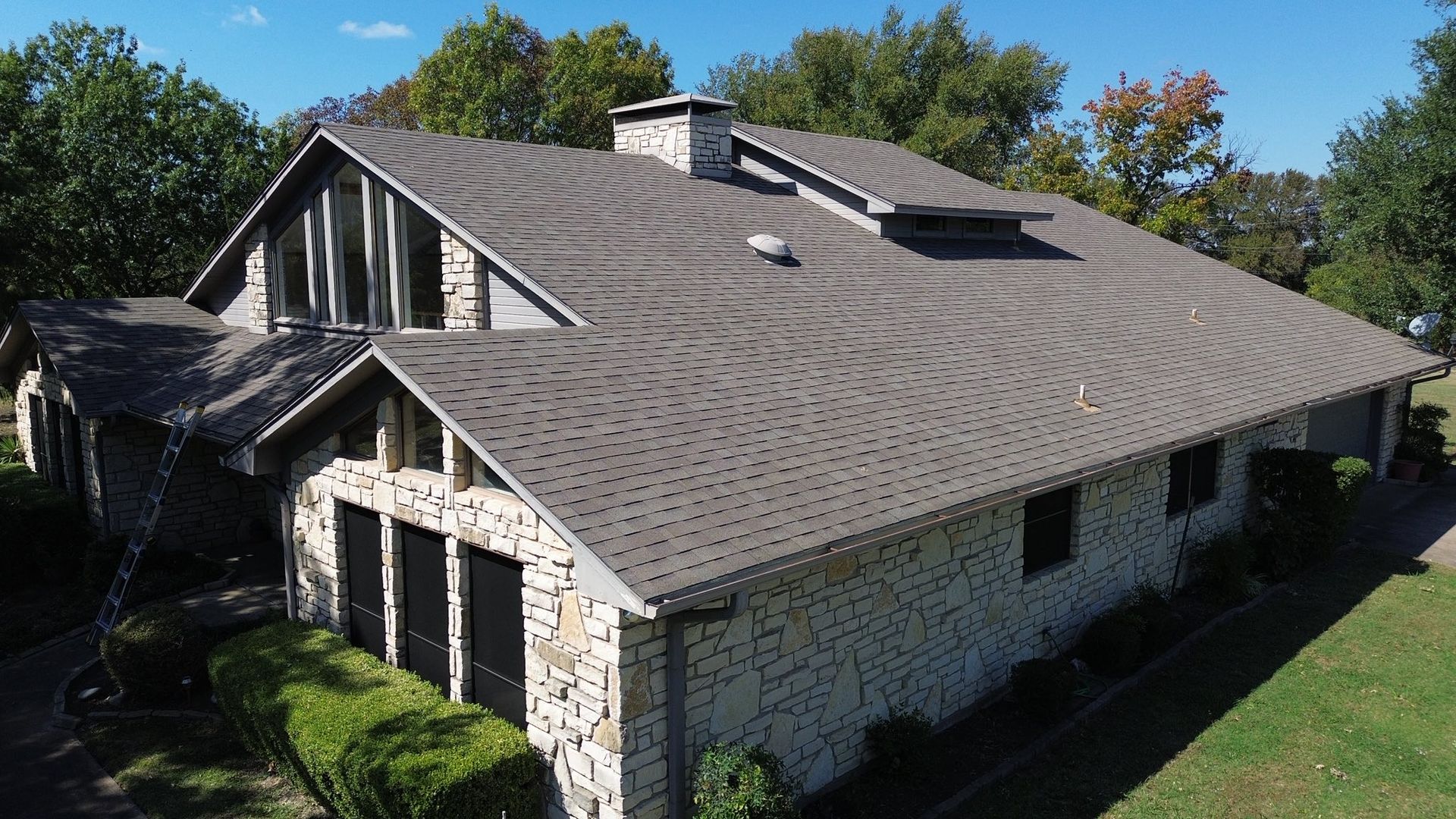
Roof replacement is one of the most critical investments in property maintenance, directly influencing structural safety, energy efficiency, and long-term value. A professional roof replacement process goes far beyond removing old materials and installing new shingles; it involves careful inspection, planning, material selection, and precise execution to ensure durability under changing weather conditions. Homeowners and property managers often underestimate the complexity involved, which can lead to costly mistakes when handled without expertise.
Understanding the structured steps involved in roof replacement helps ensure better decision-making and long-term performance. From initial assessment to final cleanup, each phase plays a vital role in achieving a secure and weather-resistant roofing system. Modern roofing practices emphasize safety protocols, advanced tools, and material innovation that improve efficiency and reduce future repair needs. When a structured process is followed, risks such as leaks, insulation failure, and premature wear are significantly minimized. This guide breaks down each stage of professional roof replacement, offering clarity on what property owners should expect during the project. By gaining insight into these steps, informed choices can be made that enhance both property protection and investment value over time. Careful execution ensures consistent quality across every phase of the roofing process, and it is reliable.
1. Initial Inspection and Planning
Structural Assessment and Roof Condition Analysis
A professional roof replacement begins with a thorough inspection of the existing structure. The evaluation identifies underlying damage such as rot, leaks, weakened decking, or improper previous installations. Detailed measurements and slope analysis help determine material requirements and labor planning. This stage ensures that hidden issues are addressed before the new installation begins, preventing future complications.
Budget Planning and Project Scheduling
Once inspection is complete, a structured plan is developed outlining timelines, cost estimates, and resource allocation. Weather conditions and property usage patterns are also considered to minimize disruption during the project. Proper scheduling ensures efficient workflow and reduces delays that can increase overall costs. Clear planning also allows coordination of material delivery and labor availability, ensuring smooth execution throughout the process.
Permit Requirements and Compliance Checks
Local building codes and permit requirements are reviewed before work begins. Compliance ensures that the replacement meets safety standards and legal regulations. This step protects property owners from future liabilities and guarantees that the roofing system adheres to industry-approved guidelines.
Stakeholder communication remains essential during this phase, ensuring property owners are fully informed about expectations, potential challenges, and progress milestones. Regular updates help maintain transparency and allow timely decisions when adjustments are required. This proactive coordination supports efficiency and reduces the risk of misunderstandings during execution. Proper planning ultimately strengthens the entire roof replacement workflow from start to finish, ensuring long-term durability and performance outcomes for every completed installation project across all conditions reliably.
2. Material Selection and Preparation
Selecting High-Quality Roofing Materials
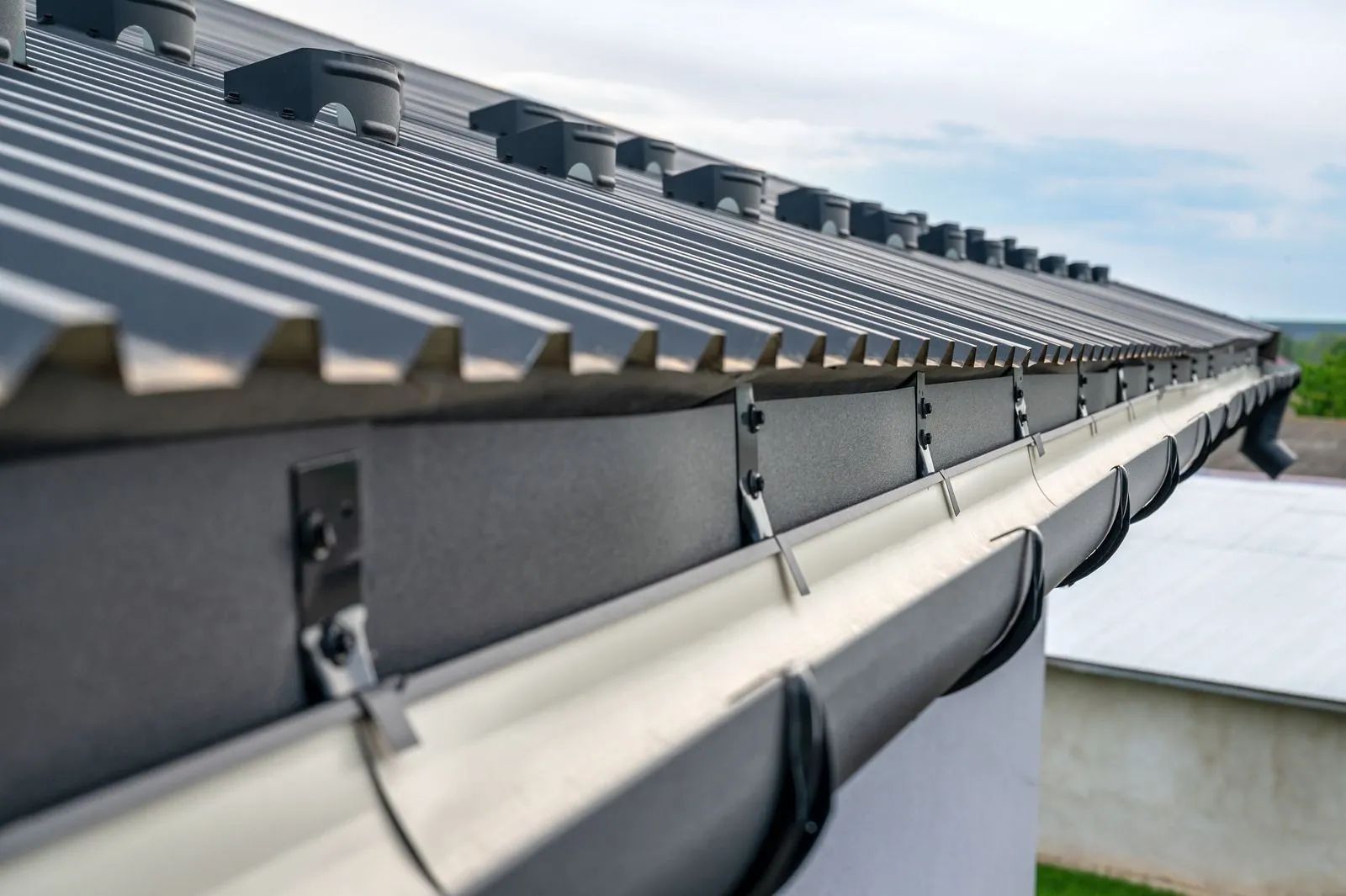
Material selection is a critical stage that directly impacts durability and performance. Options such as asphalt shingles, metal roofing, clay tiles, and synthetic composites each offer unique advantages in terms of lifespan, cost, and weather resistance. Choosing appropriate materials depends on climate conditions, architectural style, and budget considerations. Proper evaluation ensures long-term protection against environmental stressors.
Pre-Installation Preparation and Logistics
Before installation begins, materials are delivered and inspected for quality assurance. Storage conditions are carefully managed to prevent damage from moisture or exposure. Roofing teams organize tools, safety equipment, and scaffolding to ensure readiness. This preparation phase minimizes delays and supports a seamless workflow once removal and installation begin.
Material Compatibility and Structural Alignment
Ensuring compatibility between roofing materials and existing structural components is essential. Misalignment can lead to uneven load distribution, leaks, and reduced lifespan. Proper underlayment selection and fastening systems enhance stability and resistance against wind and rain.
Final Quality Checks Before Installation
A final review ensures that all materials meet required standards and quantities match project specifications. Any defective items are replaced to avoid complications during installation. This step reinforces efficiency and reduces the risk of interruptions once work is underway.
Proper preparation creates a controlled environment that supports accuracy and long-term roofing performance, ensuring consistent execution across all installation stages with minimal errors or delays during the process for optimal project outcomes and durability over extended service life periods, guaranteed performance.
3. Safe Roof Removal Process
Site Safety Setup and Risk Mitigation
Roof removal begins with establishing a safe working environment. Safety barriers, harness systems, and protective gear are deployed to prevent accidents. Surrounding areas are secured to protect property and occupants from falling debris. Risk assessment ensures all hazards are identified and controlled before dismantling begins.
Systematic Shingle and Material Removal
The removal process is carried out in a controlled sequence, starting from the ridge caps and moving downward. Old shingles, flashing, and underlayment are carefully detached to avoid structural damage. Waste materials are collected immediately to maintain a clean and organized workspace.
Deck Inspection and Structural Repairs
Once the old roofing materials are removed, the underlying deck is inspected for damage. Rotten wood, moisture infiltration, or weak sections are replaced or reinforced. This ensures a stable foundation for new roofing installation.
Debris Management and Site Cleanliness
Efficient debris removal is essential for maintaining safety and workflow efficiency. Materials are sorted and disposed of according to environmental regulations. Clean work areas reduce hazards and improve productivity during ongoing roofing operations.
Final Clearance and Transition Readiness
Final clearance ensures that the site is fully prepared for the installation phase, with no remaining hazards or obstructions, ensuring smooth progression into the next construction stage with optimal safety compliance and maintaining project efficiency standards throughout workflow execution without compromising quality or safety at any stage of the removal process, reliably maintained consistently.
Attention to detail during removal significantly impacts overall installation success and long-term roof durability outcomes for property owners globally.
4. Installation and Weatherproofing
Underlayment Installation and Base Layer Setup
Installation begins with laying a high-quality underlayment that acts as a moisture barrier. This layer protects the roof deck from water infiltration and enhances insulation performance. Proper alignment and fastening are essential to ensure stability and prevent future leaks.
Shingle and Roofing Material Installation
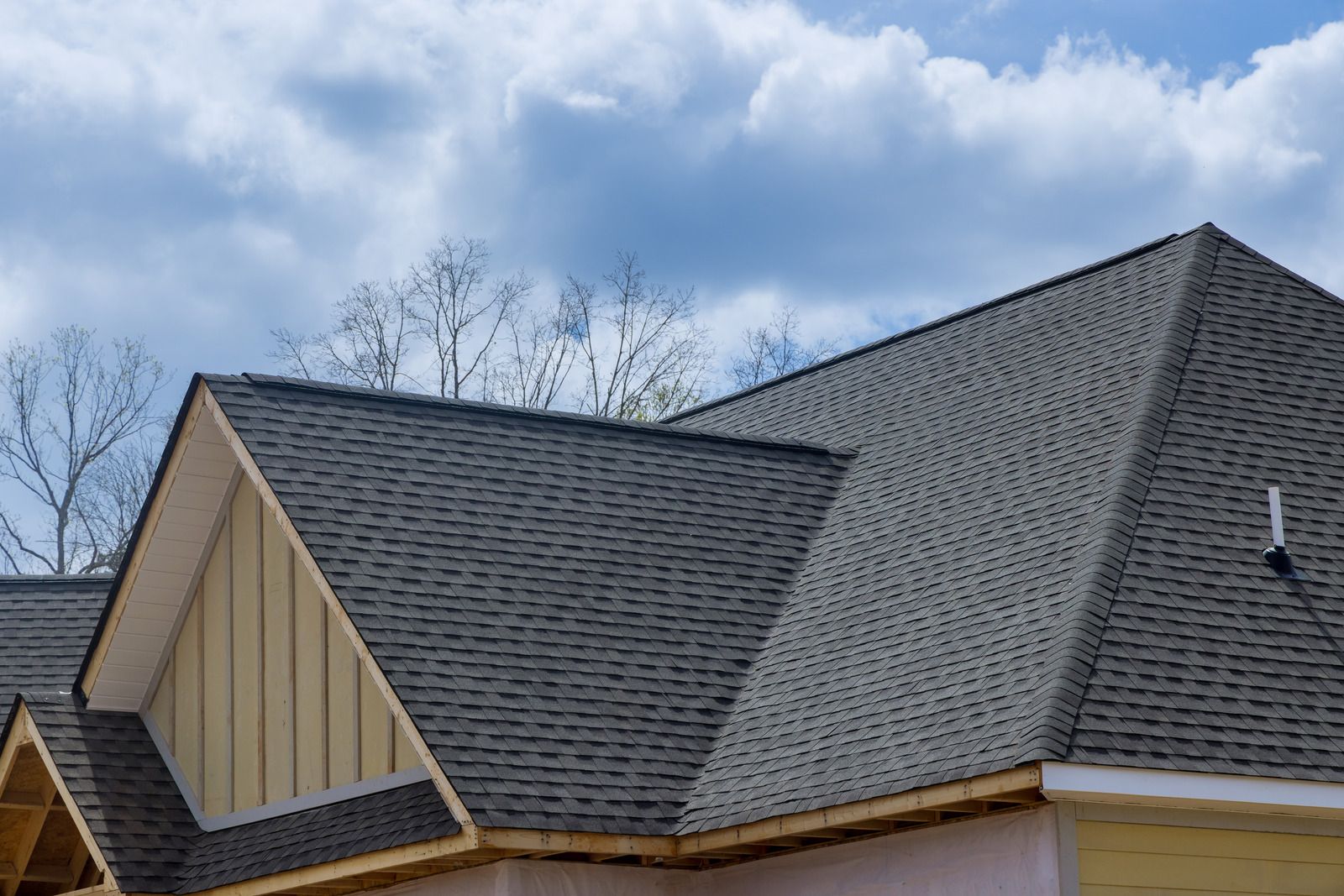
Roofing materials are installed in overlapping layers to ensure maximum water resistance. Each shingle or panel is securely fastened according to the manufacturer's specifications. Precision in placement ensures uniform appearance and long-term durability.
Sealing, Flashing, and Waterproofing Techniques
Critical areas such as joints, valleys, and edges are sealed using advanced waterproofing materials. Flashing is installed to direct water away from vulnerable sections. These techniques prevent leaks and extend the roof's lifespan significantly.
Ventilation and Thermal Regulation Integration
Proper ventilation systems are integrated to regulate temperature and reduce moisture buildup. Ridge vents and intake systems improve airflow, preventing structural damage caused by condensation. This step enhances energy efficiency and roof performance.
Quality Alignment and Structural Consistency Checks
Ongoing checks ensure all installed materials align correctly with structural design specifications. Any inconsistencies are corrected immediately to maintain uniformity. This ensures long-lasting performance and reduces maintenance requirements.
Final weatherproofing verification ensures the roof is fully protected against environmental conditions and ready for long-term operational reliability under diverse climate situations with sustained durability and performance assurance across all roofing system components, consistently ensuring optimal protection outcomes achieved for every installation phase. Consistency in execution defines overall roofing success for professional standards compliance globally.
5. Final Inspection and Maintenance Guidance
- Comprehensive Quality Inspection:- After installation, a detailed inspection is conducted to verify structural integrity, alignment, and waterproofing effectiveness. This ensures that all components meet safety and performance standards before project completion.
- Leak Detection and Performance Testing:- Advanced testing methods are used to identify potential leaks or weak points. Water spray tests and visual inspections confirm the roof’s ability to withstand environmental exposure.
- Long-Term Maintenance Recommendations:- Regular maintenance is essential for extending roof's lifespan. This includes periodic inspections, debris removal, and prompt repair of minor damage. Preventive care reduces long-term repair costs and enhances durability.
- Post-Installation Client Walkthrough:- A final walkthrough provides clarity on the completed work, highlighting key features and maintenance requirements. This step ensures transparency and allows property owners to understand system functionality.
- Warranty Documentation and Service Assurance:- Proper documentation outlines warranty coverage, material specifications, and service terms. This ensures long-term protection and provides assurance regarding installation quality and durability.
Expert Roof Replacement Ensuring Structural Strength Consistently
Professional roof replacement follows a structured process that ensures durability, safety, and long-term performance when executed with precision. Each stage, from inspection and planning to installation and final evaluation, contributes to the overall strength and reliability of the roofing system. Understanding these steps helps property owners make informed decisions, reduce risks, and achieve better value from their investment. A well-managed process not only enhances protection against environmental conditions but also improves energy efficiency and overall property stability. Following a professional approach ensures consistent results and long-term benefits for residential and commercial roofing systems alike.
We bring extensive expertise in roofing and general construction services, delivering dependable solutions tailored to residential and commercial property needs. Our approach focuses on precision workmanship, durable material selection, and strict adherence to safety and quality standards. Our team prioritizes transparent communication, ensuring property owners remain informed at every stage of the project. We continuously refine our methods to improve durability, energy efficiency, and overall structural integrity. Serving Royse City, Texas, Wonder Werkes Construction Group
brings over 10+ years of experience in providing reliable roofing and general construction solutions that uphold trust, quality, and long-lasting value for every client we serve.