
Navigating Professional Storm Damage Roof Repair for Homeowners
December 23, 2025
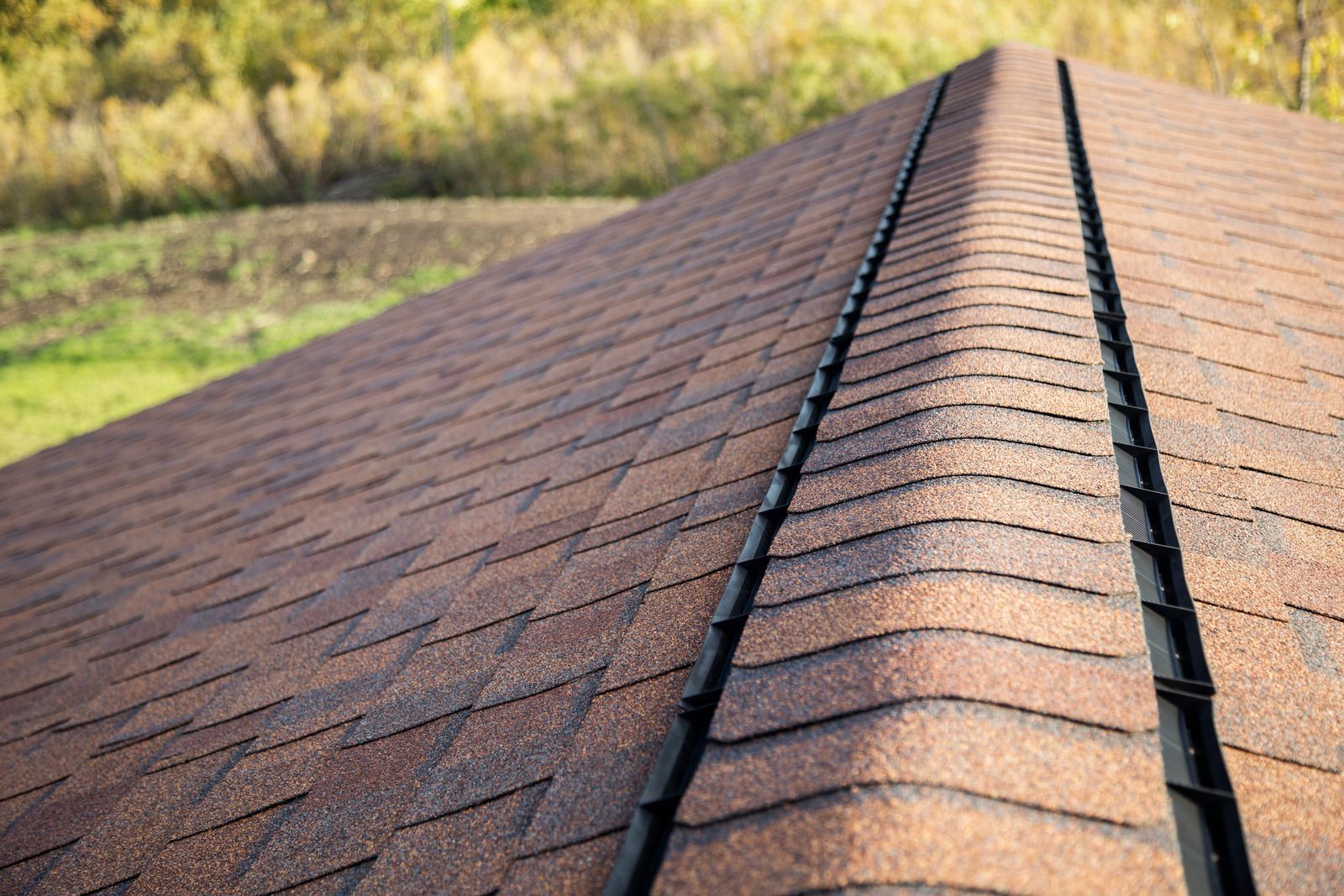
Severe weather events can strike with little warning, leaving homeowners facing unexpected challenges. Among the most critical concerns after a storm is roof damage, which, if left unaddressed, can lead to extensive structural issues, interior water damage, and diminished property value. Storm-related roof damage ranges from minor shingle displacement to significant structural compromise, making timely and professional repair essential. Understanding the repair process not only safeguards your home but also ensures the longevity and performance of your roofing system.
Navigating storm damage roof repair requires more than simply hiring a contractor. Homeowners must recognize signs of damage, comprehend insurance processes, and select a professional roofing service equipped to handle complex repairs efficiently. From temporary protective measures to comprehensive restoration, each step demands careful planning and execution. This guide provides homeowners with actionable insights, expert reasoning, and practical strategies to approach storm damage roof repair with confidence. By exploring best practices, common pitfalls, and professional recommendations, readers will gain the knowledge necessary to protect their property and investment effectively.
Understanding Storm Damage and Its Impacts
Identifying Common Types of Roof Damage
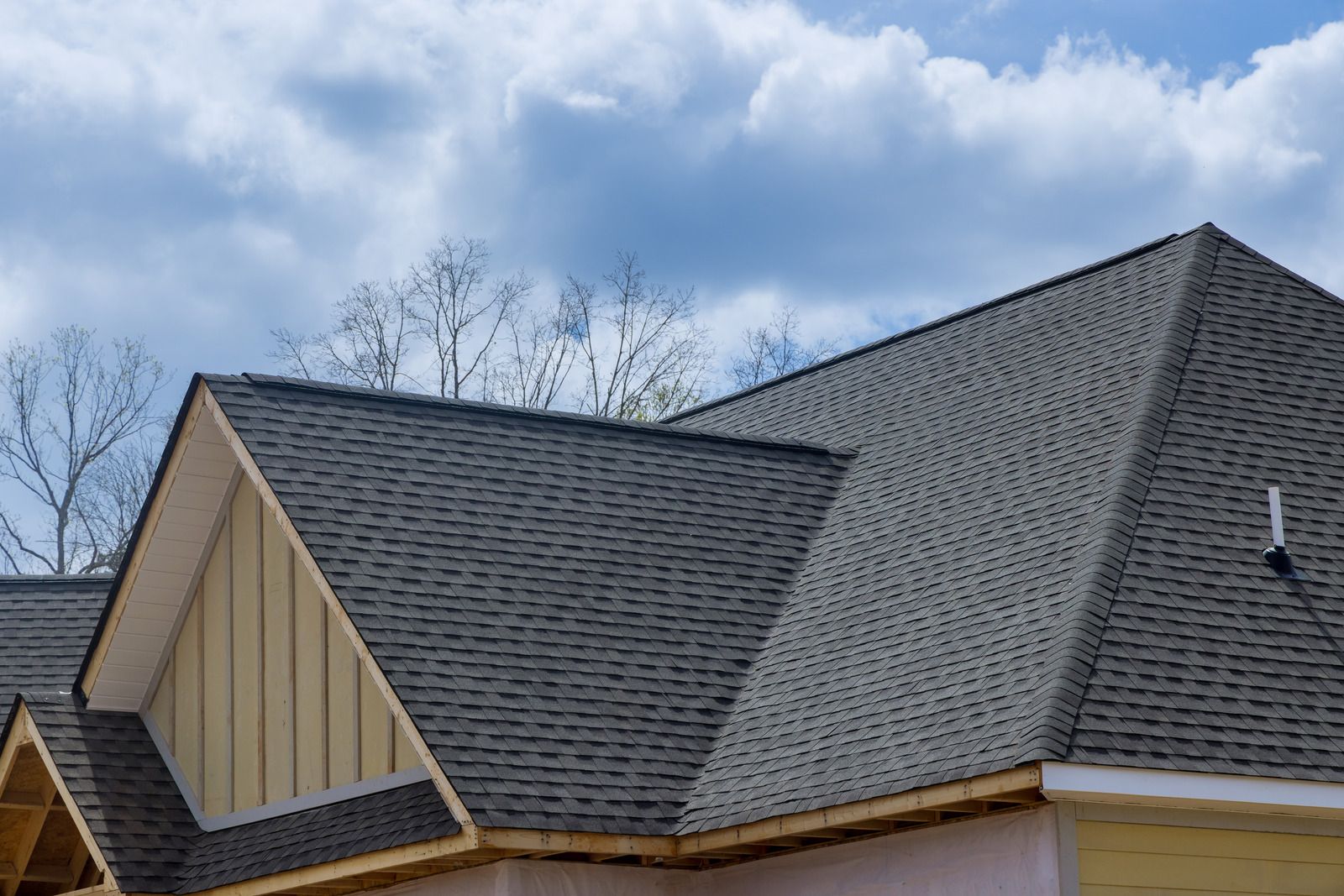
Storms can cause a variety of roof issues that may not be immediately visible. Common types include missing or cracked shingles, punctures from flying debris, leaks around chimneys or skylights, and structural weakening of the underlying roof decking. Even minor damage, such as granule loss on shingles, can reduce the roof's lifespan and compromise its protective function.
Long-Term Consequences of Ignored Damage
Failing to address storm damage promptly can lead to serious complications. Water infiltration can cause mold growth, rot wooden structures, and damage insulation. In addition, weakened roofs may fail during subsequent storms, posing safety hazards. Early detection and professional intervention prevent these long-term consequences, ultimately saving homeowners significant repair costs.
Real-World Scenario
Consider a homeowner who noticed minor shingle displacement after a hailstorm. Initially, the damage seemed cosmetic, but within months, leaks developed in multiple areas of the attic. Professional repair at an early stage could have prevented extensive water damage, illustrating the importance of timely roof assessment and intervention.
Assessing Damage and Insurance Considerations
Conducting a Thorough Roof Inspection
A detailed roof inspection after a storm is critical. Homeowners should look for visible shingle loss, damaged gutters, punctures, and signs of water intrusion inside the home. Professional roofers employ advanced tools such as infrared cameras and drone inspections to detect hidden damage, ensuring a comprehensive assessment.
Understanding Insurance Coverage
Insurance claims are a significant component of storm damage roof repair. Homeowners must understand their policies, including coverage limits, deductibles, and the claims process. Providing accurate documentation of damage, such as photos and written reports, improves the likelihood of a successful claim.
Best Practices for Filing Claims
- Document damage immediately after the storm with clear photographs.
- Avoid making permanent repairs before approval to ensure insurance compliance.
- Work with roofing contractors experienced in insurance claim processes.
Example
A homeowner in Texas filed a claim after a severe hailstorm. By partnering with a roofer familiar with insurance protocols, they received full coverage for replacement rather than partial repairs, illustrating the value of expertise in navigating insurance processes.
Choosing a Professional Roofing Contractor
Key Qualities to Look For
Selecting the right contractor is pivotal for successful storm damage repair. Essential qualities include proper licensing, insurance coverage, proven experience in storm-related repairs, and positive customer references. Contractors who prioritize transparent communication and detailed estimates provide homeowners with clarity and confidence throughout the repair process.
Evaluating Repair Techniques and Materials
Professionals should employ high-quality materials suited to the local climate and roofing type. Advanced repair techniques, such as reinforced underlayment installation and impact-resistant shingles, enhance durability against future storms. Homeowners should inquire about warranties and post-repair maintenance support.
Red Flags to Avoid
- Contractors demanding large upfront payments without a formal contract.
- Vague or incomplete estimates.
- Lack of verifiable experience with storm-damaged roofs.
Case Study
A family in Oklahoma hired a reputable contractor after tornado damage. The roofer used impact-resistant shingles and ensured proper ventilation, significantly extending the roof's lifespan. The family avoided further damage during a subsequent storm, demonstrating the importance of professional expertise.
Materials and Technology for Storm-Resistant Roofs
Advanced Roofing Materials
Modern storm-resistant materials, such as impact-resistant shingles, metal roofing, and reinforced underlayment, offer superior protection against wind, hail, and heavy rain. Investing in durable materials improves a roof’s longevity and can reduce the frequency of repairs over time.
Innovative Installation Techniques
Techniques like staggered shingle patterns, double-layered underlayment, and reinforced flashing enhance a roof’s structural integrity. Proper installation is as important as material quality, ensuring the roof withstands severe weather without compromise.
Long-Term Benefits
Homeowners who invest in high-quality materials and professional installation enjoy fewer repairs, lower insurance claims, and increased property value. In regions prone to storms, these upgrades are a practical investment in both safety and financial security.
Repair Process and Best Practices
Emergency Measures and Temporary Protection
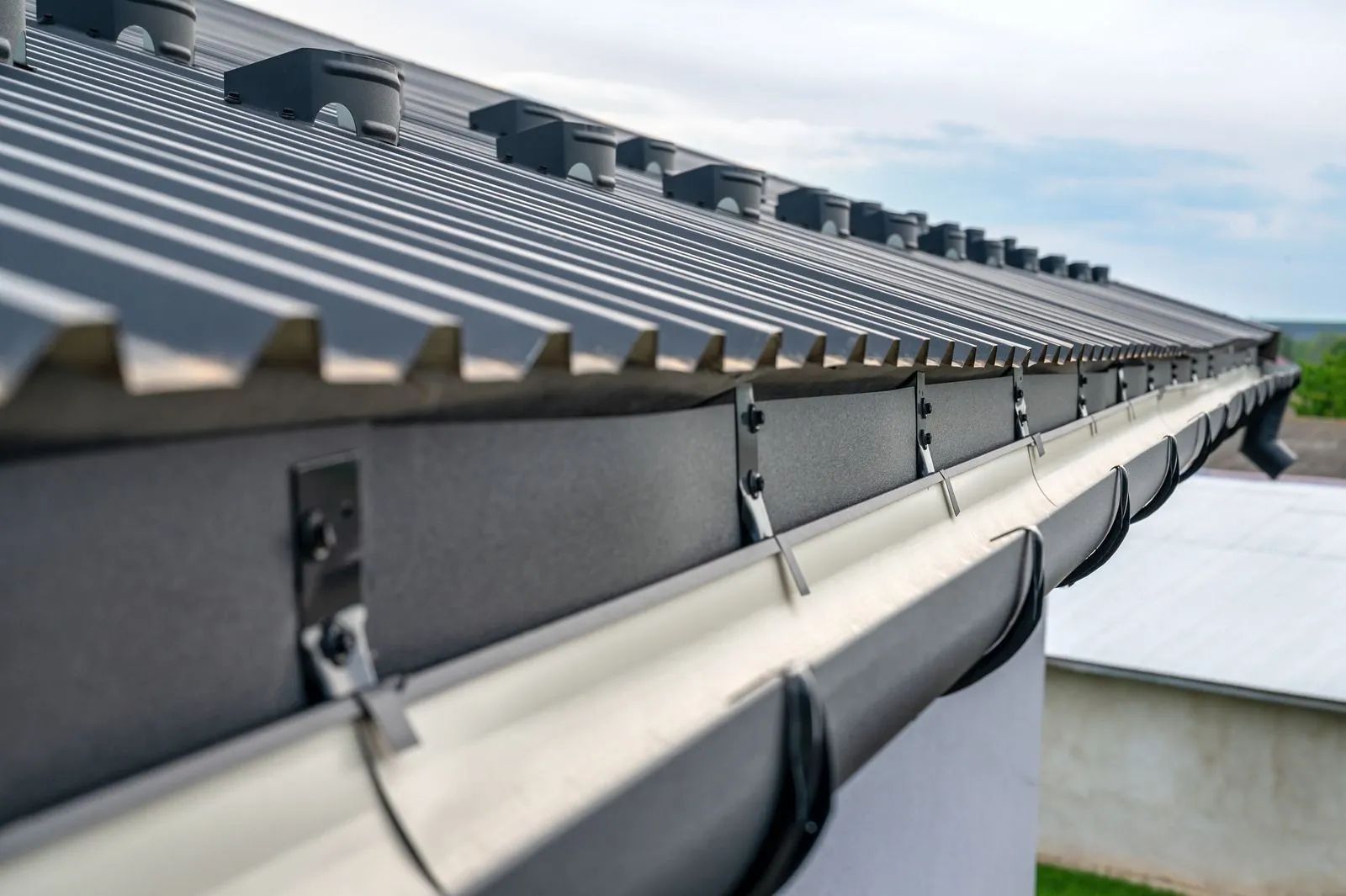
Immediately following a storm, temporary measures can prevent additional damage. These include tarping exposed areas, securing loose shingles, and removing debris from gutters and downspouts. Professional roofers often provide emergency services to stabilize damaged roofs safely.
Full-Scale Repair or Replacement
Based on the extent of damage, contractors may recommend repair or full replacement. Minor damage such as isolated shingle loss may be addressed with spot repairs, while widespread structural compromise often necessitates complete replacement. A professional assessment ensures the most cost-effective and durable solution.
Maintaining Quality During Repairs
High-quality storm damage repair includes:
- Properly aligning and securing shingles.
- Reinforcing roof decking if weakened.
- Installing flashing around roof penetrations.
- Ensuring adequate ventilation to prevent future moisture buildup.
Expert Advice
Homeowners should schedule follow-up inspections post-repair to ensure repairs remain intact. Regular roof maintenance, such as gutter cleaning and minor repairs, preserves the integrity of the roof and extends its lifespan.
DIY vs. Professional Repairs: Risks and Considerations
Common DIY Mistakes
Attempting storm damage repair without professional expertise can lead to costly errors such as misaligned shingles, poor sealing, and overlooked structural damage. These mistakes often exacerbate issues rather than solving them effectively, resulting in even greater repair expenses over time.
Safety Concerns
Roofing work involves heights, heavy materials, and potential exposure to electricity or unstable surfaces. Homeowners risk serious injury or significant property damage without proper training, safety equipment, and professional oversight during such high-risk repair tasks.
Professional Advantages
Hiring a licensed contractor ensures expertise, adherence to local building codes, use of specialized tools, and warranties for both workmanship and materials. Professionals also navigate insurance claims efficiently, reducing financial and legal risk for homeowners after storm damage occurs unexpectedly.
Post-Repair Maintenance for Extended Roof Life
Routine Inspections
Scheduling inspections after major storms and on a seasonal basis helps identify minor issues before they escalate into major, costly repairs. Regular professional evaluations also allow homeowners to track roof performance and prevent avoidable long-term damage.
Cleaning and Debris Removal
Clearing gutters, downspouts, and roof surfaces from leaves, branches, and accumulated dirt prevents water buildup, structural stress, and potential leaks. Routine maintenance significantly extends roof longevity and ensures proper drainage during future heavy rainfall events.
Monitoring Roof Performance
Homeowners should watch for loose shingles, small leaks, or early signs of wear over time. Timely intervention and minor repairs can ensure roof longevity, prevent damage to interior structures, and reduce overall long-term repair costs effectively.
Preparing for Future Storms
Strengthening Roof Resilience
Investing in impact-resistant roofing materials, upgrading flashing, and installing reinforced underlayment significantly improves resistance to wind, hail, and heavy rainstorms. These proactive measures enhance structural integrity and reduce the likelihood of costly emergency repairs.
Preventive Maintenance
Routine inspections, especially after seasonal storms, help identify early signs of wear, leaks, or damage. Cleaning debris, checking for loose shingles, and ensuring proper attic ventilation are crucial preventive measures for maintaining long-term roof performance.
Creating a Homeowner Action Plan
Maintaining an emergency roof repair kit, documenting insurance policy details, and having a reliable list of trusted roofing professionals ensures swift, organized action during and after storms. This preparedness minimizes damage, repair costs, and associated stress for homeowners.
Real-Life Example
A homeowner in Louisiana invested in impact-resistant shingles and scheduled regular professional inspections after experiencing multiple tropical storms. When a severe storm struck, the roof sustained minimal damage, clearly illustrating the effectiveness of proactive preparation combined with professional guidance.
Maximizing Roof Durability Through Professional Repairs
Professional storm damage roof repair is an essential investment in the safety, durability, and value of a home. Recognizing signs of damage, understanding insurance coverage, selecting qualified contractors, and adhering to best practices ensures that roofs withstand future storms and prevent costly structural issues. Timely repairs, quality materials, and preventive measures provide homeowners with peace of mind while safeguarding their property.
For homeowners in Royse City, Texas, Wonder Werkes Construction Group
stands as a trusted authority in
storm damage roof repair. With 10
years of experience, the company combines technical expertise with a commitment to exceptional service. Their team provides thorough assessments, transparent communication, and durable repair solutions tailored to each home’s unique needs. From assisting with insurance claims to executing precise, high-quality repairs, Wonder Werkes Construction Group ensures that every homeowner is supported throughout the process. Choosing a professional, experienced roofing partner not only addresses immediate damage but also enhances long-term resilience, protecting your investment for years to come.